Essential Budgeting Tips for Homebuyers
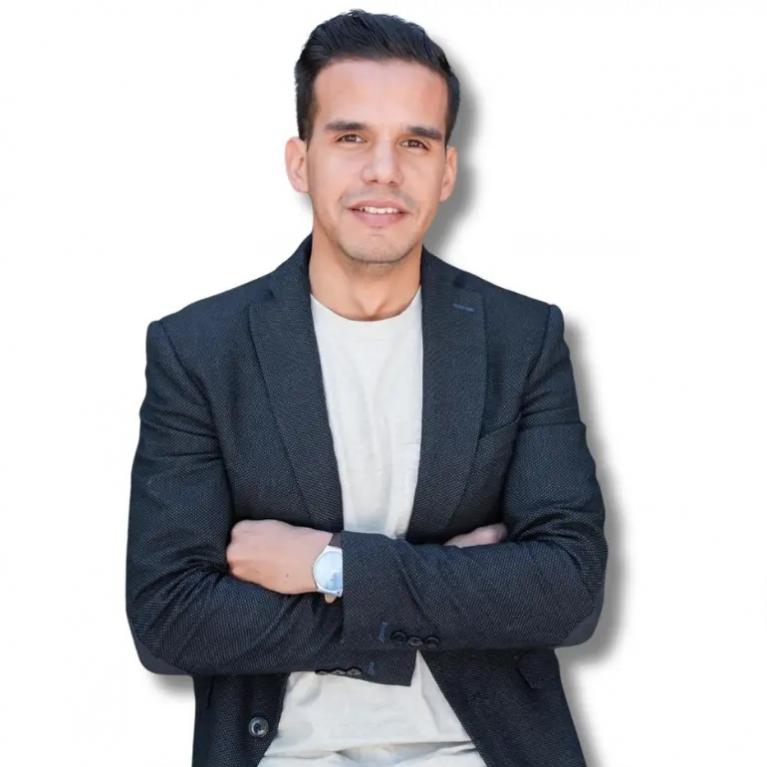
Miguel Rodriguez
Last update: 2025-09-20

Miguel Rodriguez
Last update: 2025-09-20
Buying a house is one of the most significant financial decisions many people will ever make. Planning a budget to buy a house requires careful consideration of various factors, especially closing costs that buyers are responsible for. Understanding these costs can help you avoid unexpected financial burdens and ensure a smoother home-buying experience. In this article, we will explore essential budgeting tips, real-life case studies, and frequently asked questions to empower you on your journey to homeownership.
Embarking on the journey to homeownership can be both thrilling and daunting. As you navigate this path, it’s crucial to have a solid plan in place, particularly when it comes to budgeting. Many first-time buyers underestimate the importance of accounting for closing costs, which can add thousands of dollars to the overall price of purchasing a home. By understanding these expenses upfront, you can create a realistic budget that not only covers the purchase price but also includes all associated costs. This article aims to provide you with valuable insights and practical advice on how to effectively plan your budget for buying a house while highlighting the significance of closing costs.
Closing costs are fees associated with finalizing the purchase of your new home. These costs typically range from 2% to 5% of the home's purchase price and can include various expenses such as:
It’s important to note that these costs can vary significantly based on location, lender requirements, and the specifics of your transaction. Being aware of these potential expenses helps you prepare financially and ensures that you won’t be caught off guard when it comes time to close the deal.
Meet Sarah, a first-time homebuyer who was excited about purchasing her first home in a suburban neighborhood. Sarah had saved diligently for her down payment but didn’t fully grasp the concept of closing costs. After finding her dream home priced at $300,000, she was shocked to discover that her closing costs amounted to approximately $9,000. This included fees for inspections, title insurance, and other necessary services. With some guidance from her real estate agent Miguel Rodriguez, Sarah adjusted her budget by setting aside additional funds specifically for these closing costs. This proactive approach allowed her to close on her new home without any financial hiccups.
John and Lisa decided to relocate from their small town to a bustling city for job opportunities. They were eager to buy their first home together but quickly realized that city living came with its own set of challenges. Their chosen property was listed at $450,000, but after factoring in closing costs—such as higher property taxes and urban-specific fees—their total expenses climbed significantly higher than anticipated. By working closely with Miguel Rodriguez, they learned about local incentives for first-time buyers that helped offset some of their closing costs. This knowledge empowered them to make informed decisions while ensuring they remained within their budget.
After years of raising their family in a large home, Mark and Emily were ready to downsize now that their children had moved out. They found a charming condo priced at $250,000 that perfectly suited their new lifestyle. However, they hadn’t accounted for the closing costs associated with selling their current home as well as buying the new one. With Miguel Rodriguez's assistance, they calculated their total expenses accurately and discovered ways to negotiate seller concessions that helped reduce their overall closing costs. This strategic planning made their transition seamless and stress-free.
Creating an effective budget involves more than just saving for a down payment; it requires careful planning for all aspects of the buying process. Here are some essential tips:
By following these budgeting tips and being proactive about understanding all associated costs, you’ll be better equipped to handle the financial aspects of purchasing your new home.
Closing costs generally range from 2% to 5% of the home's purchase price and may include loan origination fees, title insurance, appraisal fees, and more.
Yes! Many buyers successfully negotiate with sellers or lenders to cover certain closing costs or reduce specific fees.
You can use online calculators or consult with your real estate agent or lender for estimates based on your specific situation.
Yes! Various state and local programs offer assistance or grants for first-time homebuyers that can help cover closing costs.
If you fall short on funds needed for closing, you may need to delay your purchase or seek additional financing options; consulting with your agent is crucial in such situations.
Planning a budget to buy a house is an essential step toward achieving your dream of homeownership. By understanding the intricacies of closing costs and incorporating them into your financial planning, you can set yourself up for success without facing unwelcome surprises down the line. Remember Sarah's proactive approach? Or how John and Lisa navigated city-specific challenges? These stories highlight how critical it is to be informed and prepared when making such an important investment in your future. If you're ready to take the next step toward buying your dream home or need guidance on budgeting effectively, reach out today! Contact Miguel Rodriguez—your trusted real estate agent—who is here to help make your journey smooth and enjoyable. Don’t hesitate; start planning today!
My name is Miguel Rodríguez, and I’m a real estate professional specializing in residential properties across South Florida. I got into real estate with one mission in mind: to help people find more than just a property — to help them find home. Over the years, I’ve had the privilege of guiding both buyers and sellers through one of the most meaningful decisions of their lives, always with honesty, dedication, and a personalized approach.
As a buyer-focused agent, I pride myself on understanding each client’s unique goals and helping them navigate any challenges that may arise along the way. Whether it’s a first-time buyer, an investor, or someone searching for their forever home, I’m here to make the experience smooth, informed, and empowering.
When I’m not out showing homes or negotiating deals, you’ll likely find me running — a daily habit that keeps me grounded — or spending quality time with my family, who inspire everything I do.
The Importance of Loan Pre-Approval in Home Buying
Getting pre-approved for a loan is vital in the home-buying process. It clarifies your budget, strengthens your offers, and speeds up closing. With real-life case studies and insights, discover how pre-approval empowers your journey to homeownership. Reach out to Miguel Rodriguez for guidance!
Understanding Real Estate Contracts for Success
Understanding the different types of contracts in real estate is essential for successful transactions. This guide explores purchase agreements, lease agreements, and listing agreements, highlighting their importance through real-life examples and practical insights.
The Importance of Hiring a Realtor for Home Buying
Hiring a realtor is essential for a smooth home-buying experience. They offer market expertise, negotiation skills, and guidance through complex paperwork. Choosing the right agent ensures your interests are prioritized, making your journey successful and stress-free.